From scrappy protest tees to collectible drops, cannabis festival merch has come a long way in a few short decades for fans and brands alike. The story of that evolution mirrors the plant’s journey from underground symbol to mainstream industry.
In the 1960s and 70s, cannabis imagery lived mostly on homemade buttons, patches, and tie-dye shirts at anti-war rallies and rock festivals. Weed leaves, peace signs, and psychedelic art signaled rebellion more than branding, giving fans a way to quietly find their people while the plant was heavily criminalized. Histories of cannabis fashion point to these “weed shirts” at music festivals and protests as the roots of modern cannabis apparel.
By the late 1980s and early 90s, dedicated cannabis gatherings started to appear—and with them, official merch tables. High Times launched the Cannabis Cup in Amsterdam in 1988, creating an annual global gathering for growers, activists, and enthusiasts that quickly became known for branded tees, judges’ hoodies, and glassware. Similar events later spread to U.S. states like California, Colorado, and Michigan as legalization efforts grew. At the same time, Seattle Hempfest grew from a small “Washington Hemp Expo” in 1991 into one of the world’s largest cannabis policy reform festivals, drawing tens of thousands of attendees—and a sea of event posters, shirts, and accessories—to Seattle’s waterfront parks.
Through the 2000s, medical cannabis laws and early recreational markets helped nudge festival merch from protest gear toward lifestyle branding. Cannabis culture showed up more visibly at music festivals and 4/20 celebrations, where weed-themed apparel and accessories became part of the visual language of events. Merch booths began to mix classic leaf iconography with mainstream streetwear trends: fitted caps, zip-hoodies, skate-style graphics, and collaborations with glass artists and musicians. Instead of just saying “legalize it,” shirts now repped specific strains, local dispensaries, or advocacy organizations, turning fans into walking billboards.
Legalization in places like Colorado, Washington, and later Canada accelerated the shift. Branded festival merch became a serious marketing channel for emerging cannabis companies and ancillary brands, from seed banks to vape makers. Many started treating major events the way beverage or sneaker companies treat tour stops, dropping limited-run designs tied to a specific year, headliner, or championship win. Collectors now hunt down old Cannabis Cup shirts or early Hempfest posters much like vintage band tees.
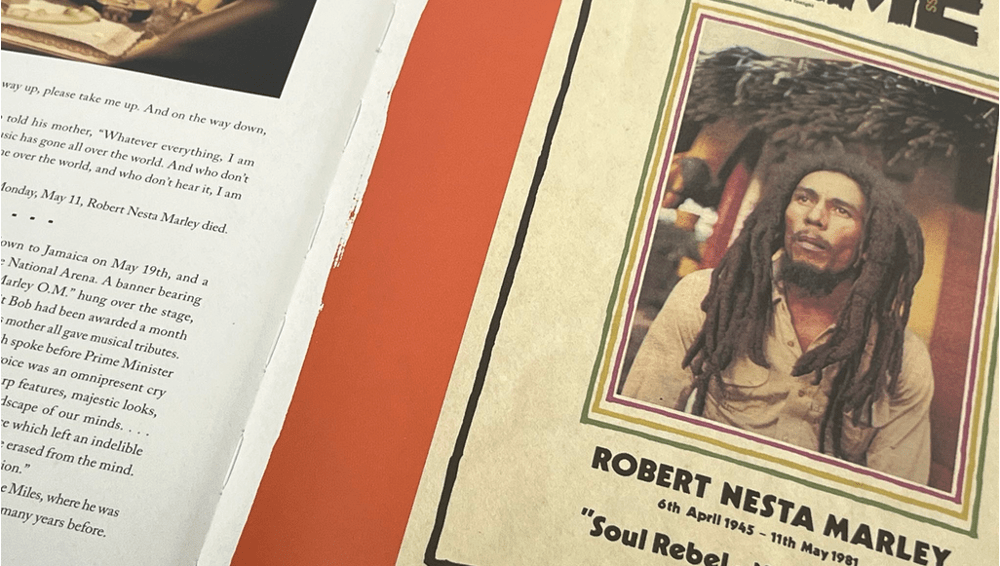
Today, cannabis festival merch looks more like a full lifestyle catalog than a folding table of tees. Brands sell capsule collections of joggers, jerseys, technical bags, rolling-tray art prints, and even kid-sized gear in legal markets, reflecting the broader rise of cannabis-inspired streetwear and lifestyle labels. The design language has broadened too: minimalist logos for wellness-focused consumers, nostalgic Rasta palettes, high-fashion typography, and festival fits that wouldn’t look out of place at Coachella.
Sustainability and nicer materials are another big shift. Hemp, once pushed to the margins by regulation, is back thanks to the boom in eco-conscious fashion and a hemp clothing market forecast to grow rapidly over the next decade. Many festivals now feature vendors whose entire pitch is planet-friendly, plant-based merch—organic hemp tees, recycled polyester hats, and packaging that breaks down long after the last joint is ash.
What hasn’t changed is the role of merch as a souvenir and a signal. Whether it’s a faded tie-dye from a 90s protest or a fresh limited-edition hoodie from a modern cannabis expo, festival gear still does the same job: it says, “I was there, and I’m part of this culture.” The designs got sharper and the fabrics got softer, but the message woven into every piece remains pure fan pride.
Discover: Must-Attend U.S. Cannabis Festivals and Events this Summer